


Learn more about the different Yoga styles
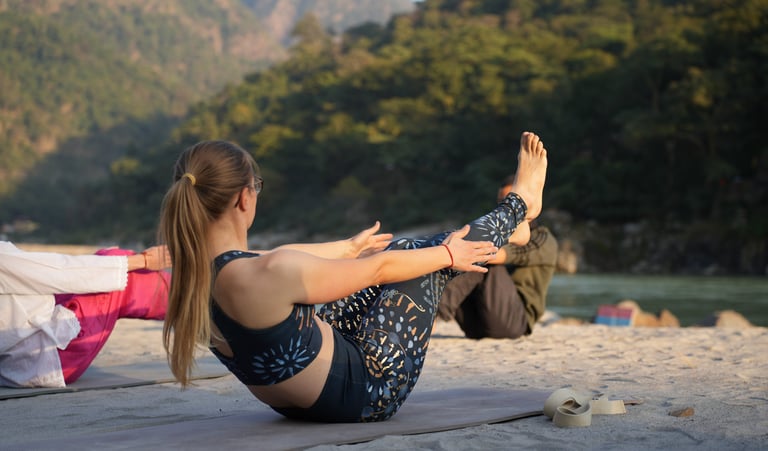

Ashtanga Yoga
Ashtanga Yoga – Dynamism, Discipline, and Inner Calm
Ashtanga Yoga is one of the most well-known and powerful yoga styles. This practice combines dynamic movement with conscious breathing, creating an intense experience that strengthens both body and mind while cultivating inner balance.
What is Ashtanga Yoga?
The word Ashtanga means “eight limbs” and refers to the eightfold path of yoga described by Patanjali in the Yoga Sutra—including ethical guidelines, breath control, concentration, and meditation. Modern Ashtanga Yoga practice was developed in the 20th century by Sri Tirumalai Krishnamacharya and his student Sri K. Pattabhi Jois, who rediscovered an ancient Sanskrit text called the Yoga Korunta and brought its teachings into practice.
Structure of an Ashtanga Yoga Practice
What makes Ashtanga Yoga unique is its fixed sequence of postures, always practiced in the same order. This creates a steady, meditative rhythm:
Starting with Surya Namaskar (sun salutations)
Followed by standing postures
Seated poses and inversions
Closing with deep relaxation
Traditionally, classes are taught in the Mysore style—a self-paced practice guided by the teacher’s support—or as led classes, where the sequence is instructed step by step.
Benefits of Ashtanga Yoga
Regular practice of Ashtanga Yoga is considered powerful, dynamic, and cleansing. It benefits both body and mind by:
building strength and endurance
increasing flexibility and balance
enhancing focus and inner calm
cultivating discipline, confidence, and resilience
Many practitioners find that Ashtanga Yoga extends far beyond the mat—developing clarity, perseverance, and calmness that support everyday life.
Who is Ashtanga Yoga for?
Ashtanga Yoga is ideal for those who:
enjoy dynamic, powerful movement sequences
want to deepen their practice with regularity and discipline
seek a balance of physical challenge and mental strength
Beginners can be gently introduced to the sequence in guided classes, while experienced practitioners gradually build an independent self-practice.
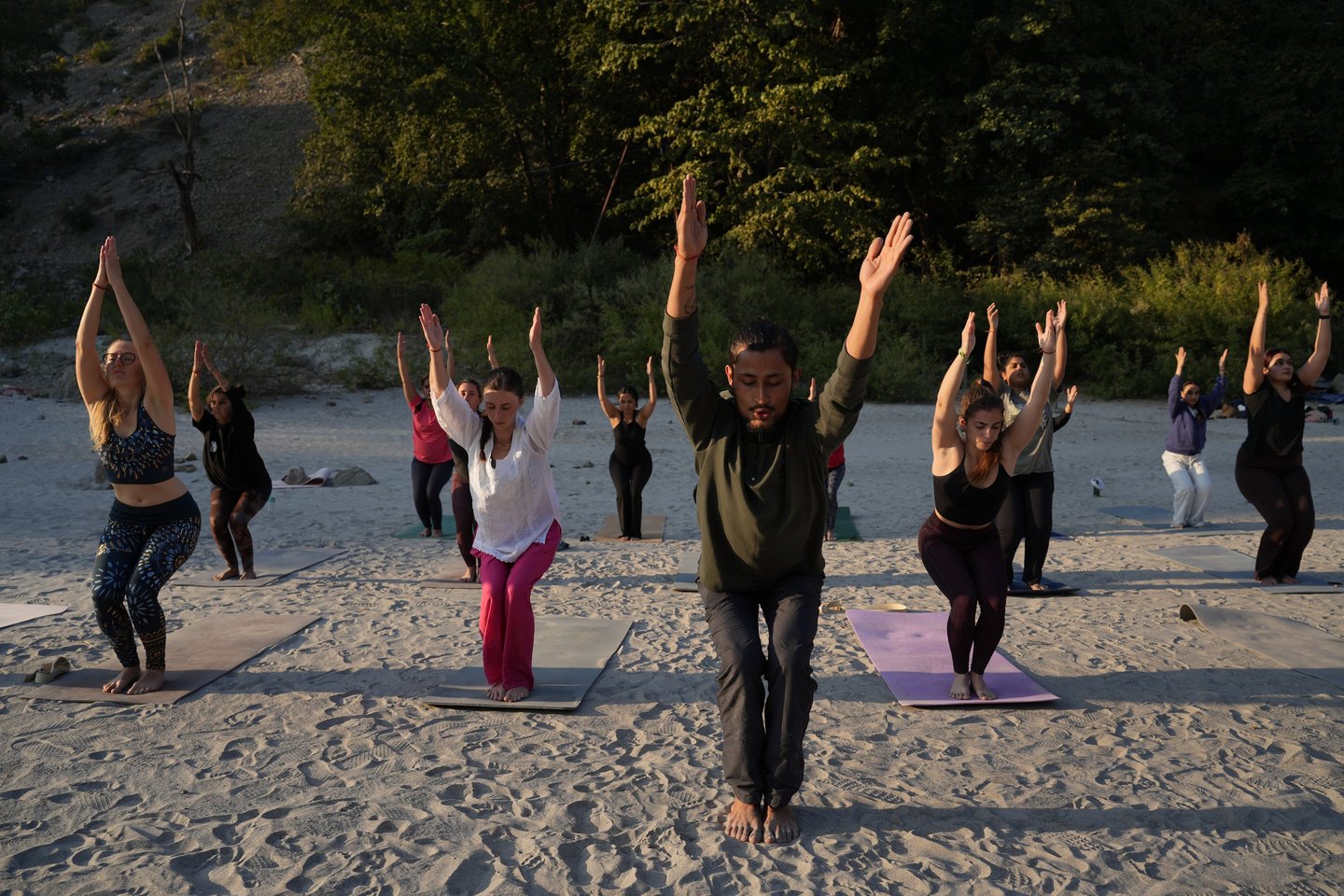
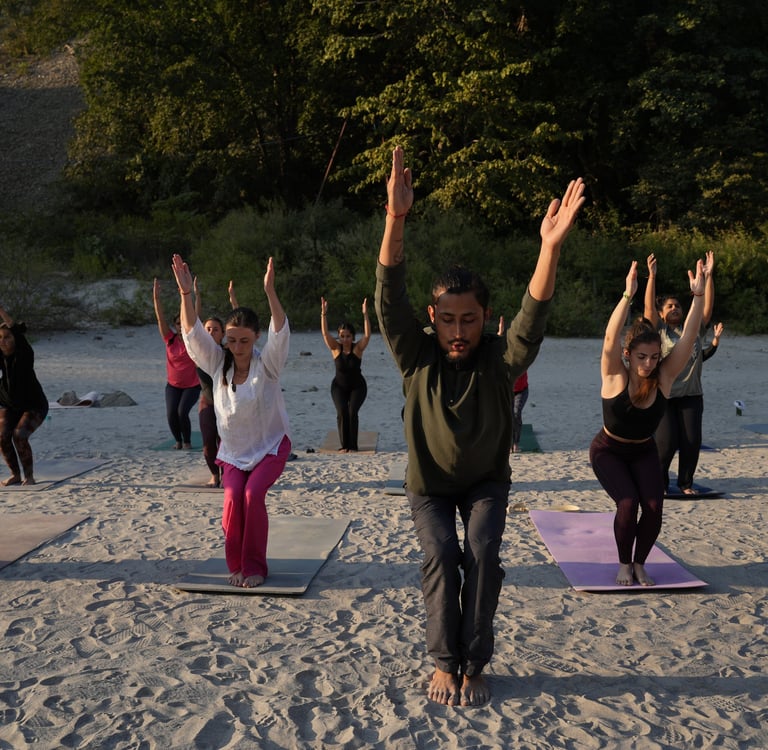
Vinyasa Yoga
Dynamic Flow for Body and Mind
Vinyasa Yoga is one of the most popular modern yoga styles. Unlike fixed sequences such as in Ashtanga Yoga, Vinyasa links breath and movement into a creative flow. Every class is unique, dynamic, and can be adapted to any level – perfect for beginners as well as experienced practitioners.
What is Vinyasa Yoga?
The word Vinyasa means “to place in a special way” and refers to the conscious connection of breath (Pranayama) and movement. Each posture flows seamlessly into the next, creating a dynamic sequence that strengthens the body, improves flexibility, and fosters inner calm and mindfulness.
Structure of a Vinyasa Yoga Class
A typical Vinyasa yoga class often begins with gentle warm-ups and sun salutations to awaken the body. Creative sequences of standing poses, balancing postures, and flowing transitions then follow. Depending on the level of the participants, the practice may be more energizing or more restorative. The session always closes with deep relaxation (Savasana).
Benefits of Vinyasa Yoga
Practicing Vinyasa Yoga regularly supports overall health and well-being. It helps to:
build strength, mobility, and balance
reduce stress and promote relaxation
improve focus and mindfulness
increase energy, clarity, and joy
Many practitioners describe Vinyasa Yoga as a form of moving meditation – both invigorating and deeply grounding.
Who is Vinyasa Yoga for?
Vinyasa Yoga is ideal for people who:
enjoy dynamic, flowing movement
want a creative and varied yoga practice
seek a combination of physical challenge and mental balance
Whether you are a beginner or an advanced yogi, every Vinyasa yoga class offers the opportunity to tune into your breath, find your rhythm, and experience the flow.


Prenatal Yoga
Gentle Support for Body and Mind
Prenatal Yoga (or pregnancy yoga) is a specially adapted practice that supports mothers-to-be during this unique phase of life. Gentle movement, mindful breathing, and relaxation help maintain balance in body and mind while preparing for birth.
What is Prenatal Yoga?
Unlike traditional yoga, prenatal yoga focuses on safe postures that gently strengthen the body and ease common discomforts of pregnancy. Breathing and relaxation techniques are also an important part of the practice, providing valuable tools for labor and delivery.
Structure of a Prenatal Yoga Class
A typical prenatal yoga class includes:
Gentle stretches and movements to support the back and pelvic floor
Breathing exercises (pranayama) to promote calm and relaxation
Relaxation or meditation to deepen the connection with the baby
All exercises are adapted to each trimester, avoiding any postures that could be stressful or unsafe.
Benefits of Prenatal Yoga
Regular prenatal yoga can help:
relieve back pain and tension
improve breathing and oxygen supply
reduce stress and anxiety
support flexibility and body awareness
build trust and confidence in the body for birth
Many women find that prenatal yoga not only provides physical benefits but also emotional strength and a sense of calm.
Who is Prenatal Yoga for?
Prenatal yoga is ideal for expectant mothers who want to:
stay active with safe, gentle movement
learn effective breathing and relaxation techniques
cultivate mindfulness and connection with their baby
It is suitable for both complete beginners and experienced yogis – with adaptations for every stage of pregnancy. It is recommended to begin prenatal classes only after consulting with a doctor or midwife.
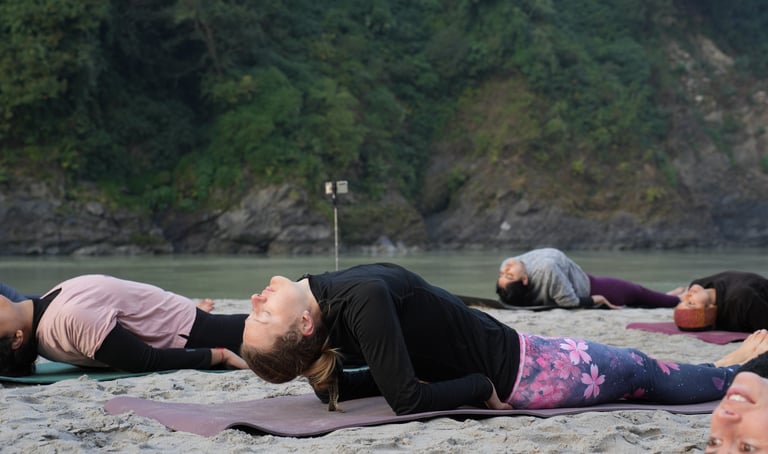
Postnatal Yoga
Gentle Recovery After Birth
Postnatal Yoga (also called postpartum or recovery yoga) supports mothers after childbirth by helping to rebuild strength, restore balance, and release tension. Gentle postures, mindful breathing, and relaxation practices encourage the body to recover while providing new energy for everyday life with a baby.
What is Postnatal Yoga?
Unlike general yoga styles, postnatal yoga is specifically tailored to the needs of mothers after pregnancy and birth. The focus is on carefully strengthening the core and pelvic floor while easing physical discomforts and fostering overall well-being.
Structure of a Postnatal Yoga Class
A typical postnatal yoga class includes:
Gentle strengthening for pelvic floor and abdominal muscles
Soothing stretches for the back, neck, and shoulders
Breathing exercises to promote calm and stability
Relaxation techniques to restore balance and inner peace
Depending on the individual’s needs, classes can be practiced with or without the baby.
Benefits of Postnatal Yoga
Regular postnatal yoga helps to:
strengthen the pelvic floor and core muscles
relieve back pain and tension
support recovery after childbirth
reduce stress and promote relaxation
boost energy and self-confidence in daily life
Many mothers value postnatal yoga as precious time for themselves – a practice that nurtures both body and mind.
Who is Postnatal Yoga for?
Postnatal yoga is perfect for new mothers who want to:
regain strength safely after childbirth
release tension and rebuild energy
incorporate mindfulness and relaxation into daily life
It is suitable for both beginners and experienced practitioners – with the recommendation to begin only after consulting with a doctor or midwife.